Sustainable landscaping is more than a trend in Hawaiʻi—it is a practical, responsible approach to creating beautiful outdoor spaces that respect the islands’ unique climate and ecosystems. With increasing awareness around water conservation, native plant preservation, and long-term maintenance costs, homeowners are turning to eco-friendly landscaping solutions that thrive naturally in local conditions.
Below are some of the most effective sustainable landscaping practices for Hawaii yards that balance beauty, functionality, and environmental responsibility.
One of the most impactful sustainable choices is selecting plants that are naturally adapted to Hawaiʻi’s climate. Native and drought-tolerant species require less water, fewer fertilizers, and minimal maintenance once established.
Benefits include:
Incorporating plants that thrive in Hawaii’s soil and rainfall patterns creates a healthier landscape while lowering long-term care costs.
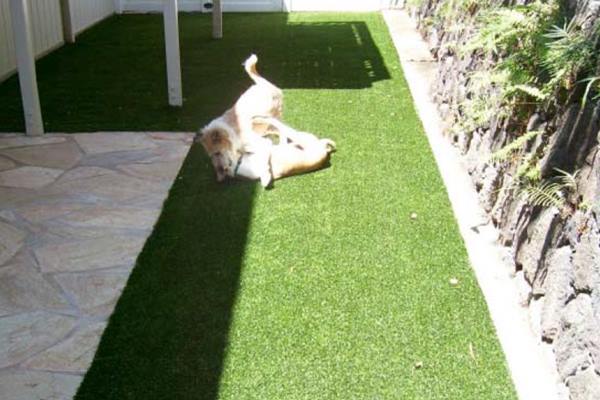
Traditional lawns are among the most water-intensive elements of a landscape. Reducing lawn size or replacing turf with ground covers, native grasses, or hardscape features significantly cuts water usage and maintenance needs.
Sustainable alternatives include:
These options maintain visual appeal while supporting sustainability goals.
Efficient irrigation is essential for water conservation. Smart irrigation systems use weather data, soil moisture sensors, and programmable schedules to deliver water only when and where it is needed.
Key advantages:
In Hawaii’s diverse microclimates, smart irrigation ensures landscapes receive appropriate hydration without unnecessary runoff.
Mulching is a simple yet powerful sustainable practice. Organic mulch helps retain soil moisture, regulate temperature, and suppress weed growth.
Effective mulching strategies:
Mulch also improves soil health over time as it breaks down, reducing the need for chemical fertilizers.
Healthy soil is the foundation of a sustainable landscape. Amending soil with organic compost enhances nutrient content, improves drainage, and supports strong root development.
Natural soil improvement:
Well-nourished soil allows plants to thrive with less water and maintenance.
Permeable hardscape materials allow rainwater to seep into the ground instead of running off into storm drains. This supports groundwater replenishment and reduces erosion.
Examples include:
These solutions combine sustainability with durability and visual interest.
Sustainable landscapes are designed with longevity in mind. Thoughtful plant placement, proper spacing, and grouped watering zones reduce ongoing labor and costs.
A well-planned layout:
This approach saves time, money, and resources over the life of the landscape.
Sustainable landscaping in Hawaii is about working with nature—not against it. By choosing drought-tolerant plants, conserving water through smart irrigation, improving soil health, and reducing maintenance demands, homeowners can create outdoor spaces that are both beautiful and environmentally responsible.
An eco-friendly landscape not only protects Hawaii’s natural resources but also delivers long-term value, resilience, and peace of mind.