Maintaining a beautiful yard doesn’t have to be time-consuming. For busy Hawaii homeowners, low-maintenance landscaping offers a practical way to enjoy an attractive outdoor space without constant upkeep. By choosing the right plants, materials, and design strategies, it’s possible to create a landscape that thrives in island conditions while saving time, water, and long-term maintenance costs.
Below are effective, low-maintenance landscaping solutions tailored to Hawaii’s climate and lifestyle.
1. Choose Native and Climate-Adapted Plants
Native and climate-adapted plants are naturally suited to Hawaii’s environment, making them one of the best choices for low-maintenance landscapes. These plants typically require less watering, fewer fertilizers, and minimal pruning once established.
Benefits include:
- Improved resistance to local pests and diseases
- Lower water consumption
- Reduced need for ongoing care
Using plants that are well-adapted to the local climate ensures long-lasting beauty with less effort.
2. Replace Traditional Lawns With Ground Covers
Traditional lawns demand frequent mowing, watering, and fertilizing. Replacing or reducing lawn areas can significantly lower maintenance demands.
Popular lawn alternatives include:
- Low-growing ground covers
- Decorative gravel or stone beds
- Native grasses or drought-tolerant plant groupings
These options maintain visual appeal while eliminating many of the most labor-intensive yard tasks.
3. Incorporate Hardscape Features
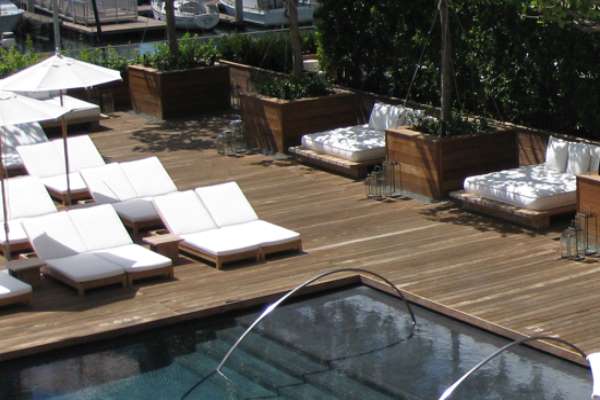
Hardscaping is a key element in low-maintenance landscape design. Features such as patios, walkways, and retaining walls reduce the need for plant care while adding structure and functionality.
Effective hardscape elements:
- Stone or concrete pavers
- Gravel pathways
- Rock borders and seating walls
Hardscapes not only minimize upkeep but also enhance the overall design and usability of the space.
4. Use Mulch to Reduce Weeds and Watering
Mulching is a simple yet powerful way to reduce maintenance. Organic mulch helps retain soil moisture, regulate temperature, and suppress weed growth.
Key advantages:
- Less frequent watering
- Reduced weed control
- Improved soil health over time
Applying mulch around plant beds keeps landscapes neat while lowering the need for regular attention.
5. Install Efficient Irrigation Systems
Watering is one of the most time-consuming aspects of landscape care. Efficient irrigation systems simplify the process while conserving water.
Time-saving irrigation tips:
- Use drip irrigation for plant beds
- Group plants with similar water needs
- Automate watering schedules
These systems deliver water directly to roots, reducing waste and promoting healthier plants.
6. Design With Proper Plant Spacing
Overcrowded plants require frequent pruning and replacement. Proper spacing allows plants to grow naturally without constant intervention.
Benefits of thoughtful spacing:
- Improved air circulation
- Reduced disease risk
- Less trimming and reshaping
Designing with mature plant size in mind results in a cleaner, more sustainable landscape.
7. Focus on Long-Term Simplicity
A low-maintenance landscape is built with longevity in mind. Simple layouts, cohesive plant palettes, and durable materials reduce future maintenance needs.
Long-term strategies include:
- Limiting plant variety for consistency
- Choosing durable materials suited for island conditions
- Avoiding high-maintenance focal points
These choices create a polished look that remains manageable over time.
Low-maintenance landscaping allows busy Hawaii homeowners to enjoy beautiful outdoor spaces without sacrificing time or energy. By prioritizing native plants, reducing lawn areas, incorporating hardscapes, and using efficient irrigation, homeowners can achieve a landscape that is both practical and visually appealing.
With the right design approach, a stunning yard can be easy to maintain, resilient, and perfectly suited to island living.