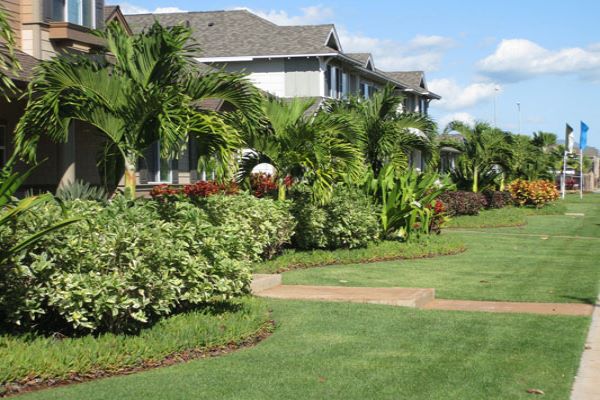
Hawaii is known for its tropical beauty, lush greenery, and year-round warm weather. However, landscaping in Hawaii can come with unique challenges, particularly in areas that experience seasonal drought, strong sunlight, dry winds, or limited rainfall. Choosing plants that can tolerate dry conditions is an effective way to create an attractive landscape while reducing water consumption and maintenance requirements.
The best drought-tolerant plants for Hawaii are those that can adapt to local soil, sunlight, temperature, and moisture conditions. From colorful flowering plants to native Hawaiian species, there are many options for creating a beautiful and water-efficient outdoor space.
Why Choose Drought-Tolerant Plants for Landscaping in Hawaii?
Not every part of Hawaii receives the same amount of rainfall. Weather conditions can vary significantly depending on the island, elevation, location, and microclimate. Some areas may receive frequent rainfall, while others can experience extended dry periods.
Drought-tolerant landscaping can provide several advantages, including:
- Reduced water consumption
- Lower irrigation requirements
- Easier landscape maintenance
- Better performance during dry periods
- Potentially lower water bills
- Less dependence on frequent irrigation
- A more sustainable approach to landscaping
Keep in mind that drought-tolerant does not mean completely water-free. Newly planted vegetation still needs adequate irrigation while its roots become established. Once established, many drought-tolerant plants can survive with significantly less supplemental water.
1. Plumeria
Plumeria is one of the most recognizable tropical plants in Hawaii. Known for its fragrant and colorful flowers, plumeria can add a distinctly tropical appearance to residential and commercial landscapes.
Established plumeria plants can tolerate relatively dry conditions, especially when planted in sunny locations with well-draining soil. They are excellent choices for creating focal points around patios, entrances, walkways, and garden areas.
Best for: Tropical gardens, entryways, patios, accent planting, and residential landscapes.
Avoid planting plumeria in areas where water regularly collects, as consistently wet soil can cause root problems.
2. Bougainvillea
Bougainvillea is a popular choice for homeowners looking for vibrant color with relatively low irrigation requirements. Once established, it can tolerate heat, sunlight, and periods of dry weather.
Its vigorous growth makes it useful for covering walls, fences, trellises, and other structures. Bougainvillea also works well on slopes and in areas where you want a strong visual impact.
Best for: Walls, fences, privacy screens, slopes, trellises, and colorful landscape borders.
Because some varieties have thorns and can grow aggressively, proper placement and regular pruning are important.
3. Lantana
Lantana produces clusters of brightly colored flowers and can perform well in sunny, warm environments. Once established, many varieties can tolerate relatively dry conditions.
It can be used along garden borders, in flower beds, and on slopes where a colorful, low-maintenance planting option is desired.
Best for: Borders, flower beds, slopes, sunny areas, and low-maintenance gardens.
When selecting lantana, choose varieties that are appropriate for your particular location and landscape conditions.
4. Aloe
Aloe is an excellent option for water-conscious landscaping. Its thick, fleshy leaves store moisture, allowing the plant to tolerate periods of dry weather.
Aloe generally performs best in sunny locations with well-draining soil. It can add an architectural appearance to modern landscapes, rock gardens, borders, and containers.
Best for: Rock gardens, modern landscapes, containers, borders, and dry landscape areas.
One of the most important considerations with aloe is drainage. Overwatering can cause problems, particularly when the soil remains wet for extended periods.
5. Ti Plant
The ti plant is closely associated with Hawaiian landscapes and is valued for its colorful foliage. Depending on the variety, its leaves can add green, red, purple, or other shades to a garden.
Ti plants generally appreciate moisture, so they should not be treated as extremely drought-tolerant plants. However, established plants can perform well when irrigation is carefully managed according to the local climate and soil conditions.
Best for: Tropical gardens, borders, privacy planting, entryways, and foliage contrast.
Ti plants can be particularly useful when you want strong foliage color without relying entirely on flowering plants.
6. Naupaka
Naupaka is an excellent option to consider for coastal landscaping in Hawaii. Native Hawaiian naupaka species are adapted to challenging coastal environments and can tolerate conditions such as sunlight, wind, and salt exposure.
Beach naupaka can be especially useful for properties close to the ocean, where salt spray and sandy conditions can make landscaping more difficult.
Best for: Coastal properties, beach landscapes, wind-exposed areas, native gardens, and low-maintenance landscapes.
Using plants adapted to coastal conditions can reduce the need to replace vegetation that cannot tolerate salt or strong winds.
7. ʻAʻaliʻi
ʻAʻaliʻi, scientifically known as Dodonaea viscosa, is a Hawaiian native plant that can tolerate relatively dry conditions. It can grow as a shrub and is suitable for landscapes where water conservation is an important consideration.
Its natural adaptability makes it an excellent candidate for native plant gardens and low-water landscapes.
Best for: Native gardens, shrub borders, slopes, dry areas, and naturalistic landscapes.
Native plants such as ʻAʻaliʻi can also help create a landscape that reflects the natural character of Hawaii.
8. ʻIlima
ʻIlima is another Hawaiian native plant worth considering when developing a climate-appropriate landscape. It produces small yellow flowers and can be used as a low-growing plant or groundcover depending on the species and growing conditions.
Because native plants are adapted to specific Hawaiian environments, they can be valuable additions to landscapes designed around local ecological conditions.
Best for: Native gardens, borders, groundcover applications, and natural-looking landscapes.
Before planting, make sure the selected variety is appropriate for the moisture, sunlight, and soil conditions on your property.
9. Agave
Agave is a popular choice for modern and water-efficient landscaping. Its architectural foliage provides a strong visual element while requiring relatively little water once established.
Agave generally prefers sunny locations and well-draining soil. It can work particularly well alongside rocks, gravel, pathways, and other hardscape features.
Best for: Modern landscapes, rock gardens, driveway borders, containers, and dry areas.
Some agave varieties have sharp leaf tips, so avoid placing them immediately beside narrow walkways or areas where children frequently play.
10. Drought-Tolerant Groundcovers
Groundcovers can be an important part of a water-efficient landscape. Instead of covering an entire property with traditional turfgrass, homeowners can use appropriate groundcover plants to fill open spaces.
Groundcovers can help reduce exposed soil, provide visual continuity, and reduce the amount of lawn that requires regular irrigation.
When selecting groundcovers for Hawaii, consider the property’s rainfall, sunlight, soil type, and foot traffic before making a decision.
Related Link: Top 10 Low-Maintenance Plants That Thrive on Neglect
How to Choose the Right Drought-Tolerant Plants for Your Hawaii Property
Choosing a plant simply because it is labeled drought-tolerant is not enough. Hawaii has a wide range of microclimates, so a plant that performs well in one area may require significantly more care in another.
Consider Local Rainfall
Determine how much natural rainfall your property typically receives. A landscape in a wetter area may have very different plant requirements than one located in a dry region.
Evaluate Sunlight
Observe how much direct sunlight different areas of your property receive. Full-sun locations can become considerably hotter and drier than shaded areas.
Choose plants according to their sunlight requirements rather than assuming every drought-tolerant plant can handle intense sun.
Check Soil Drainage
Good drainage is particularly important for many drought-tolerant plants. Waterlogged soil can cause root problems even when the plants themselves are capable of surviving dry conditions.
If your soil drains poorly, improving drainage before planting may be more beneficial than simply choosing plants with lower water requirements.
Consider Wind Exposure
Properties located in exposed areas may experience strong winds that increase evaporation and dry out plants and soil more quickly.
Choose plants that can tolerate the wind conditions specific to your property.
Consider Salt Exposure Near the Coast
Coastal landscapes have additional challenges because of salt spray and salty soil conditions. If your property is close to the ocean, choose plants that can tolerate coastal exposure.
Group Plants With Similar Water Requirements
Arrange plants according to their irrigation needs. Keeping plants with similar requirements together makes it easier to water efficiently and prevents plants with low water requirements from receiving excessive irrigation.
Similar Link: Tropical vs. Hawaiian Landscape Design: What’s the Difference?
How to Reduce Water Use in Your Hawaii Landscape
Plant selection is only one part of creating a drought-resistant landscape. Irrigation, soil management, and landscape design also play an important role.
Use Mulch
Mulch can help reduce evaporation from the soil and maintain more consistent soil moisture. It can also help moderate soil temperatures and reduce weed growth.
Keep mulch away from direct contact with plant stems and tree trunks to avoid creating moisture-related problems.
Install Efficient Irrigation
Drip irrigation can deliver water directly to plant root zones and may reduce unnecessary water loss compared with inefficient watering methods.
Irrigation systems should be adjusted according to rainfall and seasonal conditions rather than operating on the same schedule throughout the year.
Reduce Lawn Areas
Traditional lawns can require considerable irrigation, particularly during dry periods. Replacing portions of lawn with drought-tolerant plants, native species, mulch, gravel, or suitable hardscape can reduce overall landscape water requirements.
Improve Soil Before Planting
Healthy soil supports stronger root development and can help plants establish more effectively. Depending on the property, adding appropriate organic matter or improving drainage may help create better growing conditions.
Water New Plants Properly
Even drought-tolerant plants require water when they are first planted. Their root systems need time to establish.
Once plants become established, irrigation can gradually be adjusted based on their individual needs and local weather conditions.
Native Plants and Drought-Tolerant Plants: What’s the Difference?
Native Hawaiian plants and drought-tolerant plants are not necessarily the same thing.
A native plant is a species that naturally occurs in Hawaii, while a drought-tolerant plant is one that can survive periods of limited water. Some native Hawaiian plants are well adapted to dry environments, while others naturally occur in areas that receive substantial rainfall.
For this reason, choosing plants should involve more than simply looking for the words “native” or “drought-tolerant.”
The most successful landscape design considers the specific growing conditions of the property and selects plants accordingly.
Create a More Sustainable Hawaii Landscape
A beautiful landscape does not have to depend on constant irrigation. With the right plant selection and landscape design, homeowners can create outdoor spaces that are attractive, functional, and more efficient with water. When planning landscaping in Hawaii, choosing plants that are well suited to the local climate can also help reduce ongoing watering and maintenance needs.
Plants such as plumeria, bougainvillea, lantana, aloe, naupaka, ʻAʻaliʻi, ʻilima, and suitable agave varieties can all have a place in water-conscious landscaping, depending on the specific conditions of the property.
The best approach is to evaluate rainfall, sunlight, soil drainage, wind, coastal exposure, and maintenance requirements before planting. Working with these natural conditions rather than against them can make your Hawaii landscape more resilient and easier to maintain.
Whether you are designing a new garden or updating an existing yard, incorporating drought-tolerant and climate-appropriate plants can help you create a landscape that looks beautiful while making more responsible use of Hawaii’s valuable water resources.