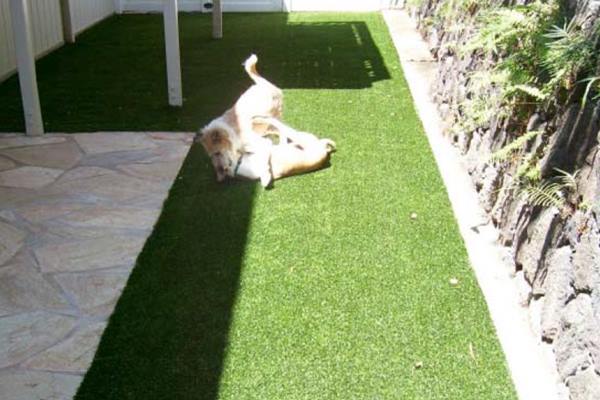
Landscaping in tropical climates requires a specialized approach due to intense sunlight, heavy rainfall, high humidity, and fast plant growth. Unlike temperate regions, tropical landscapes must be designed and installed to handle excess moisture, soil erosion, and rapid vegetation development while maintaining aesthetic beauty. A well-planned landscaping installation process ensures that outdoor spaces remain attractive, sustainable, and easy to maintain throughout the year.
This guide explains the step-by-step landscaping installation process for tropical climates, from planning and soil preparation to plant selection and irrigation systems.

The first step in landscaping installation is conducting a thorough site assessment. Tropical climates often experience strong sunlight, seasonal storms, and high humidity levels, all of which influence landscape design decisions.
During the site evaluation, professionals analyze:
Soil quality and drainage capability
Sunlight exposure throughout the day
Existing vegetation and terrain slope
Rainwater flow and potential erosion areas
Local climate patterns such as monsoon seasons
Understanding these factors allows landscapers to design a landscape that can thrive in tropical environmental conditions.

Once the site assessment is complete, the next phase is creating a detailed landscape design plan. In tropical regions, landscape design should focus on balancing beauty with functionality and sustainability.
Key elements of tropical landscape planning include:
Selecting native or climate-adapted plants
Creating shaded areas using trees or pergolas
Planning water drainage systems
Designing pathways and outdoor living spaces
Incorporating sustainable features like rain gardens
A professional landscape design ensures that each element works together to create a visually appealing and durable outdoor environment.

Healthy soil is the foundation of any successful landscaping project, especially in tropical areas where soil may be sandy, clay-heavy, or prone to nutrient depletion.
During the soil preparation stage, landscapers typically:
Remove weeds, debris, and unwanted vegetation
Level the ground and reshape slopes if necessary
Improve soil structure with compost and organic matter
Install proper drainage systems to prevent waterlogging
Good soil preparation allows plants to establish strong root systems and improves the long-term stability of the landscape.

Hardscape elements provide structure and functionality to the landscape. These features are installed before planting to avoid disturbing newly planted vegetation.
Common hardscape features in tropical landscapes include:
Stone pathways and garden walkways
Patios and outdoor seating areas
Retaining walls for erosion control
Decks and pergolas for shaded relaxation spaces
Water features such as fountains or ponds
Hardscape materials used in tropical climates should be durable, slip-resistant, and capable of withstanding heavy rainfall and humidity.

Proper water management is crucial in tropical landscaping. While rainfall may be abundant, it is often unevenly distributed, making irrigation systems necessary for plant health.
Typical irrigation solutions include:
Drip irrigation systems for efficient watering
Sprinkler systems for lawn areas
Rainwater harvesting systems
French drains or surface drains to prevent flooding
Installing irrigation and drainage systems during the early stages helps protect plants and prevents landscape damage caused by excess water.

Choosing the right plants is one of the most important aspects of tropical landscaping. Plants must tolerate humidity, strong sunlight, and frequent rainfall. Many landscapers also prefer low maintenance plants that can thrive in tropical climates with minimal care.
Popular tropical landscape plants include:
Palm trees
Hibiscus and flowering shrubs
Ferns and ornamental grasses
Tropical ground covers
Shade-providing trees
Plant installation typically follows a layered approach:
Large trees and structural plants
Medium shrubs and ornamental plants
Ground covers and decorative plants
This layered structure creates depth, shade, and natural balance within the landscape.
Read More: Hawaiian Landscaping on a Budget: Affordable Ideas to Beautify Your Yard

Mulching is particularly beneficial in tropical climates. Organic mulch helps regulate soil temperature, retain moisture, and reduce weed growth.
Common mulch materials include:
Coconut husk mulch
Wood chips
Bark mulch
Compost mulch
Mulch also protects soil from heavy rainfall, which can wash away nutrients and cause erosion.

Outdoor lighting enhances both the safety and beauty of tropical landscapes. Proper lighting highlights key features while making outdoor spaces usable at night.
Landscape lighting may include:
Pathway lights
Garden accent lights
Tree uplighting
Deck and patio lighting
Security lighting for walkways
Energy-efficient LED lighting is commonly used because it performs well in humid environments.

After installation is complete, landscapers perform a final inspection to ensure everything is properly installed and functioning.
This stage includes:
Checking irrigation systems
Inspecting plant health and placement
Ensuring drainage systems work correctly
Cleaning the site and removing installation debris
Final touches such as decorative stones, edging, and garden ornaments help complete the landscape.
Similar Link: Transforming Your Space: The Ultimate Guide to Landscape Services

Landscaping in tropical climates requires regular maintenance because plants grow quickly and weather conditions can be intense.
Maintenance plans usually include:
Regular pruning and trimming
Fertilization schedules
Irrigation system checks
Pest and disease monitoring
Lawn care and weed control
Routine maintenance ensures that the landscape remains healthy, vibrant, and well-structured over time.
Installing landscaping in tropical climates requires thoughtful planning, proper plant selection, and strategic water management. From site evaluation and soil preparation to irrigation systems and plant installation, each step plays a vital role in creating a durable and visually appealing outdoor environment.
By following a structured landscaping installation process and incorporating practical Hawaii Landscape Ideas, along with choosing climate-appropriate plants and materials, homeowners and property managers can create beautiful tropical landscapes that thrive despite challenging environmental conditions.